In short
- Best months: May through October.
- Why it matters: Less mud and better visibility.
- Availability: Tours operate year-round.
In this article
You can ride the Death Road any month of the year. However, the weather changes drastically between the high-altitude start and the jungle finish. Timing your ride during the dry months significantly improves trail conditions and safety.
When is the best time to bike Death Road?
The ideal time to book your tour is between May and October.
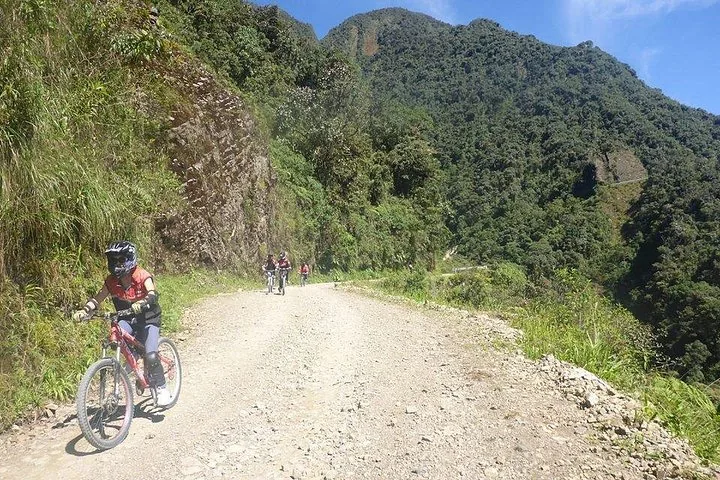
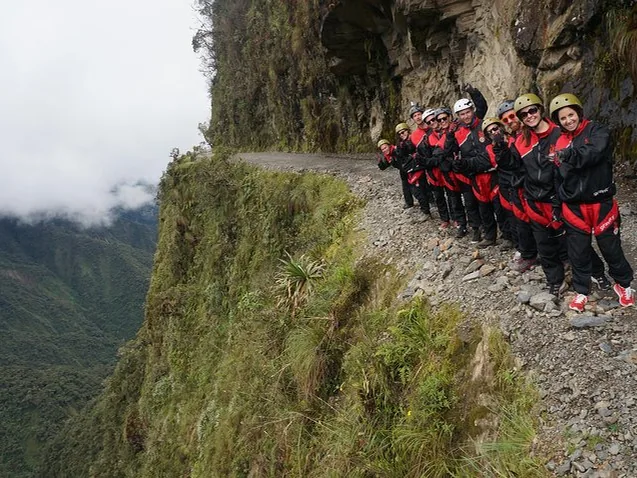
These months fall during Bolivia's dry season. The 64-kilometer dirt track is much firmer, reducing the risk of sliding on narrow corners. You also have a higher chance of clear skies at the 4,650-meter La Cumbre pass, giving you better visibility of the Andean peaks before you descend into the cloud forest.
Can you bike the Death Road in the wet season?
Yes, tour operators run trips year-round, including the rainy season.
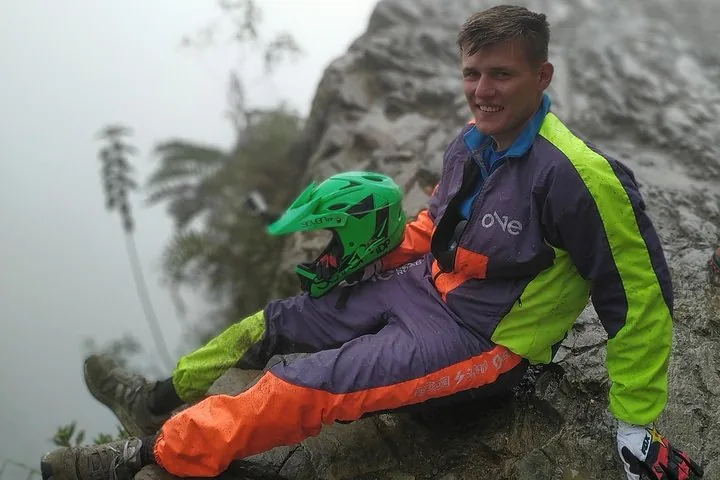
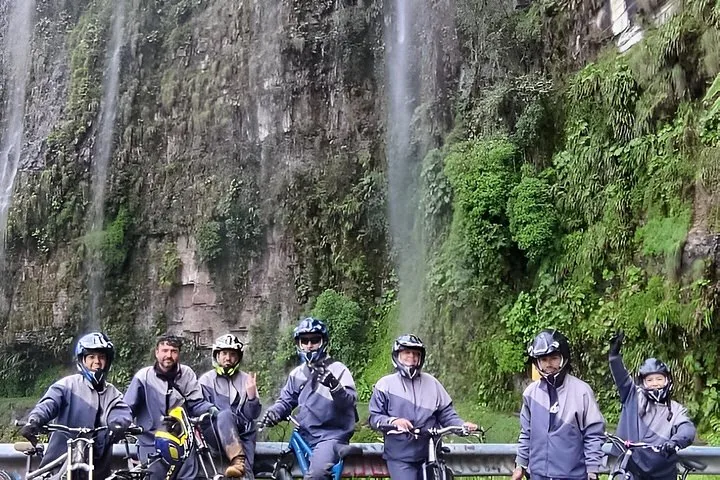
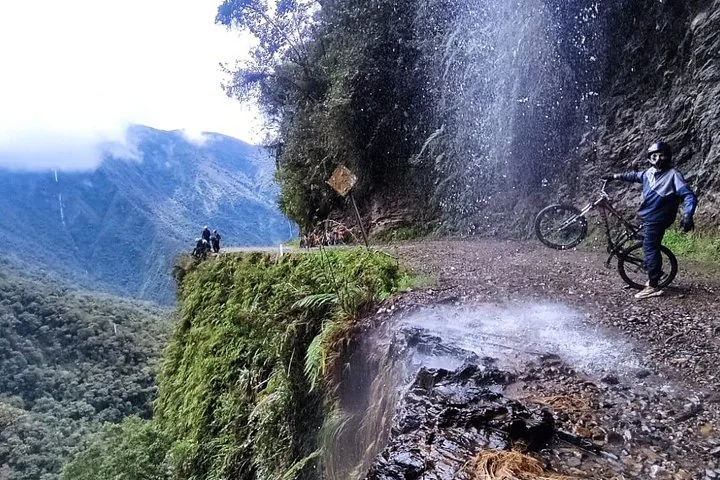
If you visit between November and April, expect heavy rain and thick fog. The unpaved route becomes muddy and slippery. This adds difficulty to an already dangerous road. You will need high-quality waterproof gear, and you will likely get very wet from both rain and the San Juan Waterfalls that pour onto the track.
What time do Death Road tours start?
Tours are full-day excursions that start early in the morning from La Paz.
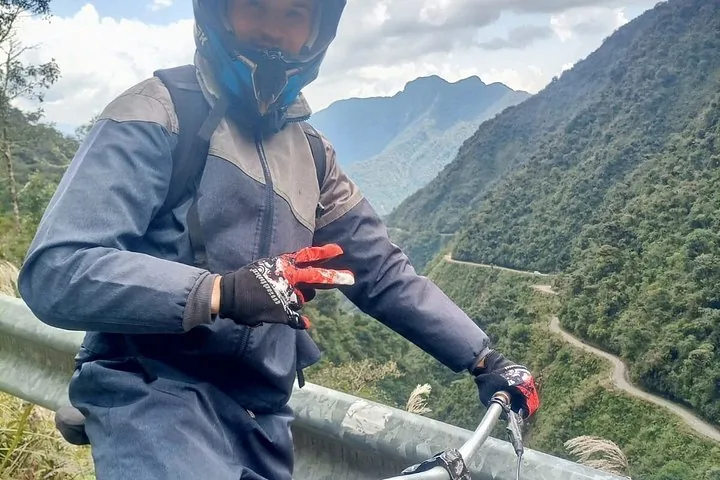
You can expect a 10 to 12-hour round trip. Operators pick you up in La Paz and drive about 2 hours to La Cumbre. The actual downhill mountain biking takes 4 to 5 hours. The early start ensures you finish the ride in Yolosa by the afternoon, leaving time for lunch before the 3 to 4-hour drive back.
How cold does it get on the ride?
The temperature shifts from freezing at the start to hot and humid by the end.
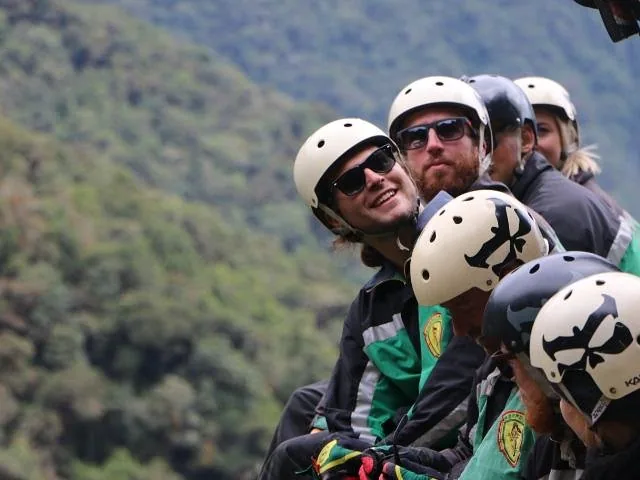
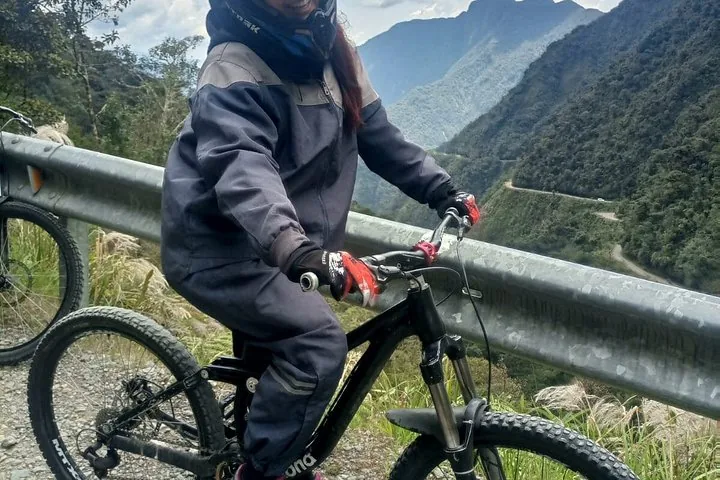
You begin at 4,650 meters (15,250 ft), where freezing winds are common regardless of the month. As you descend over 3,500 meters into the Amazon basin, the temperature rises steadily. You finish at approximately 1,200 meters (3,900 ft) in Yolosa, which has a humid, subtropical climate. Layering your clothes is essential no matter what season you ride.
Do I need to book my Death Road tour early?
During the peak dry season, booking a few days in advance is highly recommended.
May to October is the busiest time for tourism in Bolivia. Top-rated operators like those offering full-suspension bikes can sell out. Booking early secures your spot and ensures you get a properly maintained bicycle.
Is the road safer during the dry months?
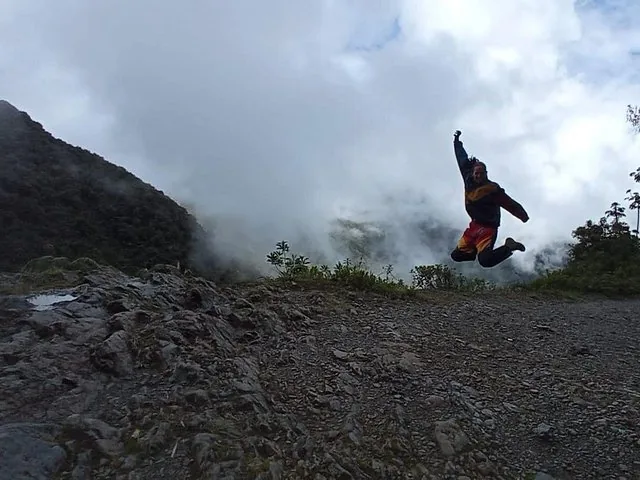
Yes, the lack of rain makes the gravel track much safer to navigate.
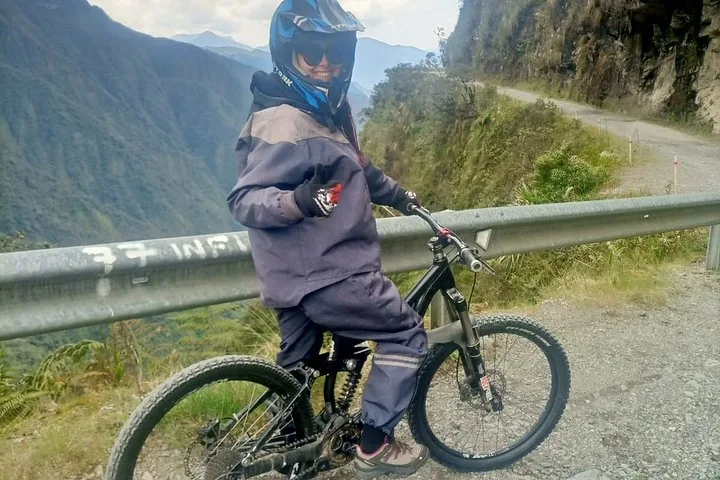
Since 2006, a bypass highway has removed over 90% of vehicle traffic from the Old Death Road. However, you still ride on a narrow cliffside path with drops up to 600 meters. A dry surface gives your tires better traction. You must also follow the local rule of riding on the left side, keeping you closer to the edge.
Questions travellers ask
How long does the Death Road bike tour take?
The full tour takes 10 to 12 hours round-trip from La Paz. You will spend roughly 4 to 5 hours actually biking downhill.
When is the best time of year to bike Death Road?
The dry season from May to October is the best time. The track is less muddy and visibility is better.
Is the Death Road still used by cars?
A parallel highway opened in 2006, removing over 90% of vehicular traffic from the old dirt road. You will mainly share it with other cyclists and support vans.